Creating a bathroom that feels calm, functional, and durable starts with thoughtful decor ideas grounded in design principles and real-world usage. This guide shares expert-backed ideas on color, lighting, storage, and finishes to help you craft a space that remains timeless despite trends.
Beyond aesthetics, the best bathroom decor ideas address layout, moisture control, and accessibility. A well-designed bath balances form and function, using quality materials and proven methods from design professionals.
Color palettes and atmospheres
Choose a base of neutral tones to create a spa-like calm, then layer in color with accents that reflect your personality. The right palette makes fixtures look cohesive and helps smaller baths feel larger.
Neutrals that feel calm
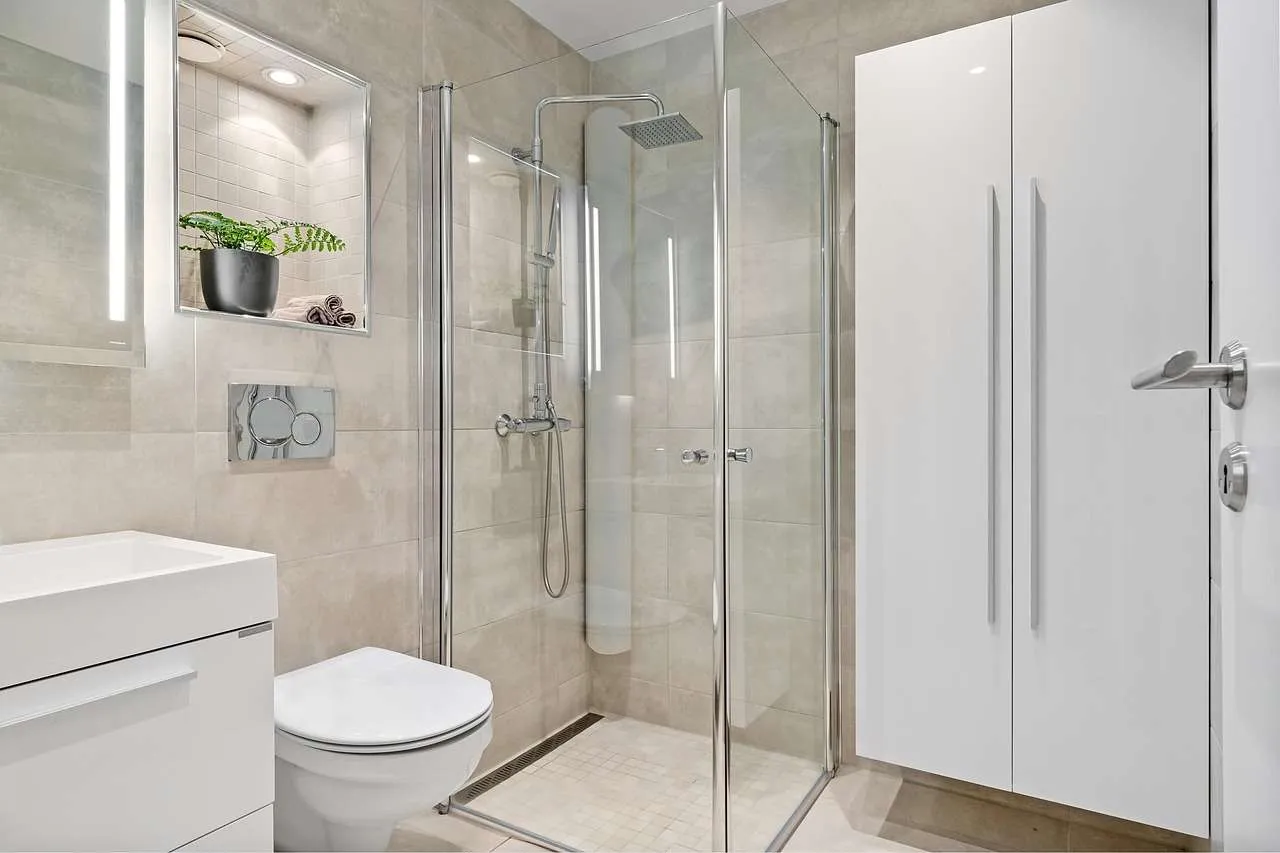
Soft beiges, warm grays, and airy whites bounce light around the room. Use varying textures — matte paint, glossy tiles, and natural wood — to add depth without visual noise.
Bold accents without overpowering
Introduce a pop of color through towels, artwork, or a single vanity feature. Keep contrast subtle and repeat the accent across the space to maintain harmony.
Storage and organization
Storage is a core element of bathroom decor because it reduces clutter and maintains a serene environment. Prioritize concealed solutions and within-reach vanity storage.
- Medicine cabinets with adjustable shelves
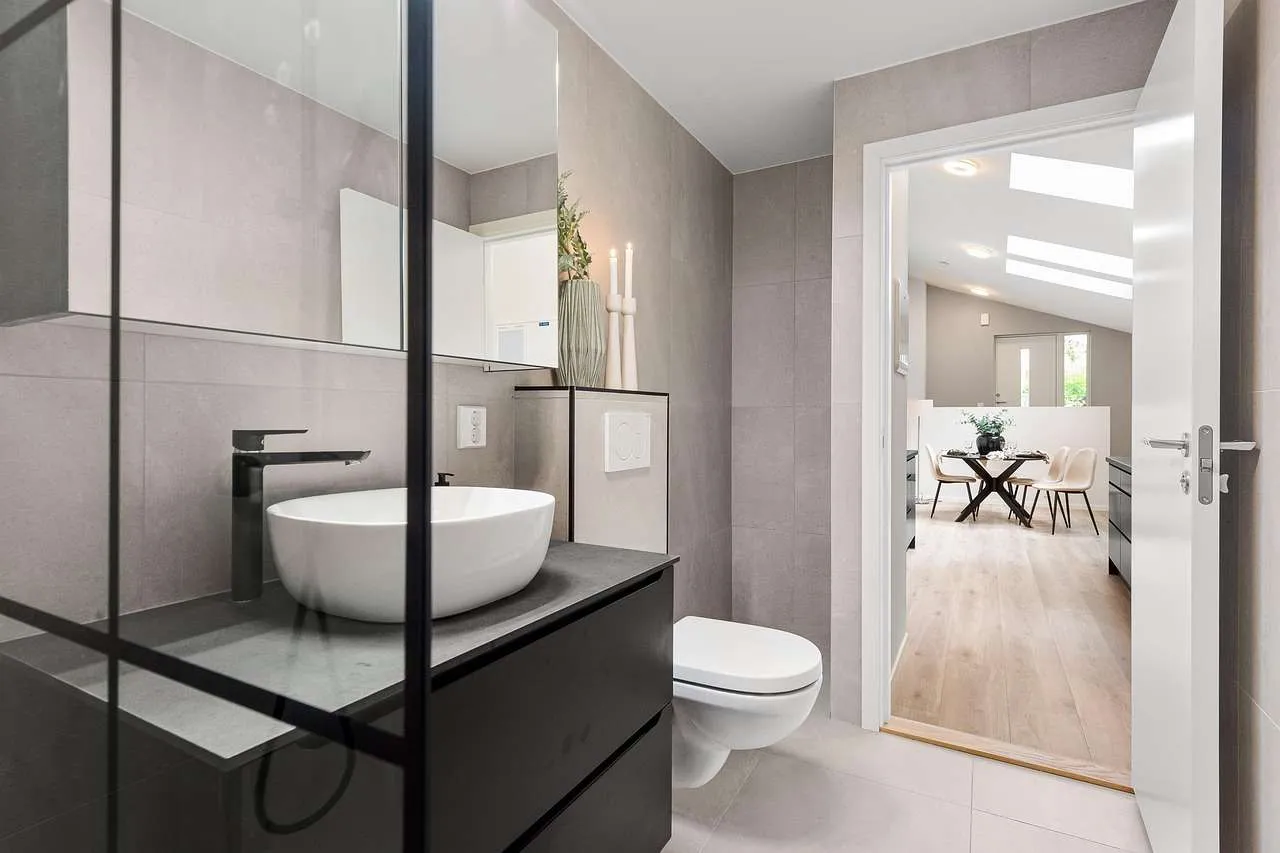
- Floating vanities to create a feeling of space
- Drawer dividers for cosmetics and toiletries
- Over-the-toilet shelves for towels or plants
Lighting and mirrors
Layered lighting is essential in a bathroom. Combine ambient, task, and accent lighting to eliminate shadows and highlight textures. Choose mirrors with anti-fog features and consider a large mirror to visually expand the room.
Layered lighting strategies
- Ceiling fixtures for general light
- Vanity lights at eye level for accurate makeup and grooming
- Accent lighting to highlight tile or art
Materials, finishes, and durability
Durable finishes resist humidity, splashes, and cleaning products. Favor non-porous surfaces and sealants that protect joints and seams. Below is a quick comparison to help choose wisely.
Quick material guide
Consider porcelain or ceramic tile for floors and walls, glass for shower enclosures, and quartz for countertops. These options combine aesthetics with ease of maintenance.
Material and finish comparison
| Option | Pros | Cons | Best Use |
|---|---|---|---|
| Porcelain tile | Highly durable, moisture resistant | Can be cold underfoot, installation is key | Floors and walls |
| Ceramic tile | Affordable, wide variety | Less dense than porcelain | Backsplash and walls |
| Glass shower door | Bright, seamless look | Water spots require frequent cleaning | Shower enclosure |
| Quartz countertops | Non-porous, low maintenance | Still a heavy material | Vanities |
| Marble accents | Luxurious appearance | Porous, stains easier | Trim and focal features |
Maximizing small bathrooms
Smaller baths benefit from reflective surfaces, vertical storage, and compact fixtures. Use a single color family to extend visual space and keep clutter to a minimum.
- Walk-in showers instead of tubs when space is tight
- Rectangular mirrors that go to the ceiling
- Wall-hung vanity to reveal floor area
- Recessed niches for toiletries
Budget considerations and planning
Plan with a realistic budget that prioritizes durability in high-wear areas. Reuse existing elements when possible, and choose mid-range products with strong warranties for long-term value.
Conclusion
Conclusion, this guide shows how to implement bathroom decor ideas with color harmony, efficient storage, layered lighting, and durable finishes. By balancing style with practicality, you can create a space that feels timeless, easy to maintain, and truly yours.