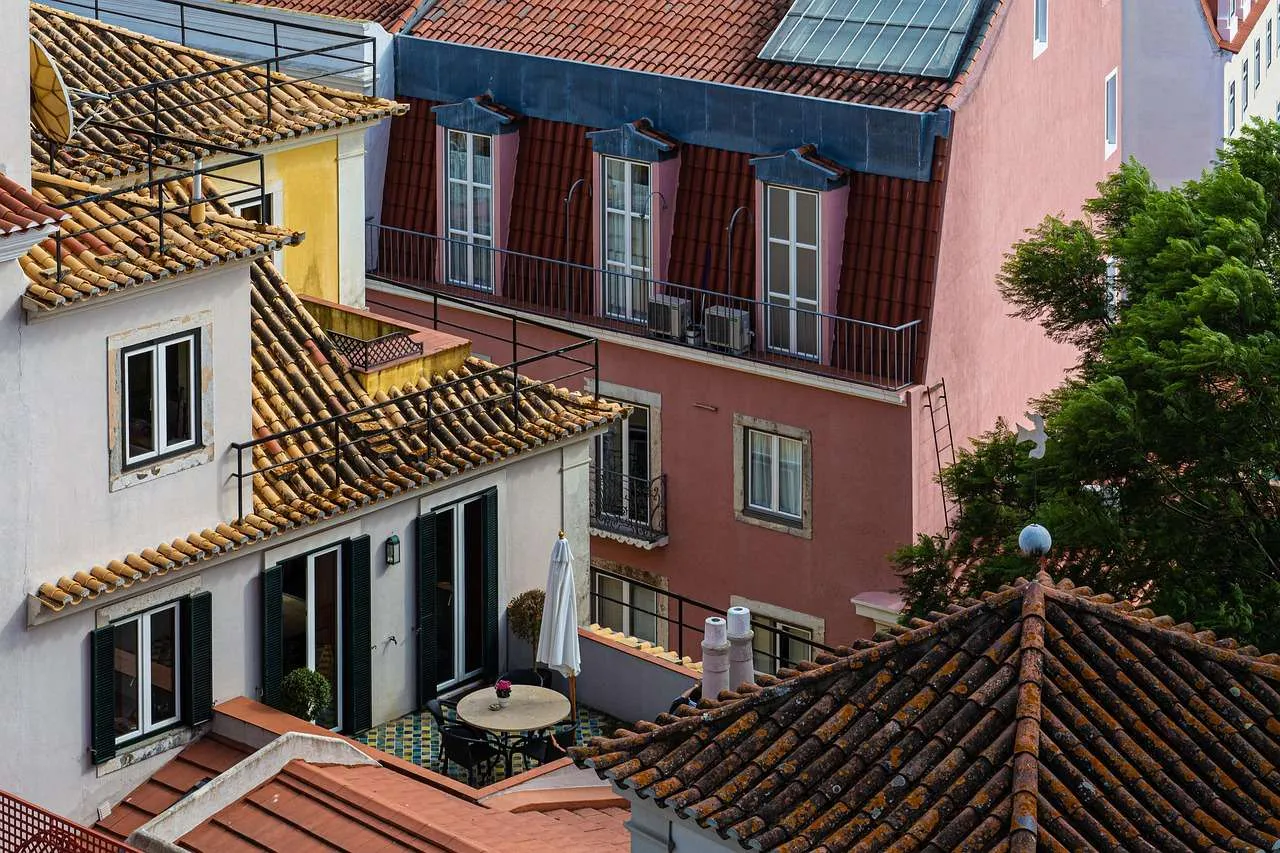
Good roofing is a cornerstone of home protection. Whether you own a century-old house or a new build, understanding roofing and roof repairs helps you guard against leaks, energy loss, and structural damage. This guide explains common materials, signs of trouble, cost considerations, and how to choose qualified professionals to ensure lasting results.
Understanding Roofing: Materials and Systems
Roofing encompasses the layers that shield a home from weather, plus the underlying structure that supports them. Common roof types include asphalt shingles, metal, tile, and wood shingles. Each material has distinct lifespans, performance in different climates, and maintenance needs. A well-designed roof system also includes flashing, underlayment, soffits, and fascia. While DIY assessments can spot obvious issues, a professional roofer evaluates deck condition, ventilation, insulation, and roof-to-wall connections to prevent future problems.
Key Considerations
- Climate and exposure influence material choice and repair frequency.
- Ventilation and insulation play a big role in energy efficiency and roof longevity.
- warranties from manufacturers and contractors help protect your investment.
Common Roofing Problems
Roofs face cumulative wear from weather, age, and design flaws. Common problems include loose or missing shingles, damaged flashing around chimneys and vents, ponding water on flat roofs, and gutter blockages that trap moisture. Interior issues like stains on ceilings or attic musty smells can signal leaks. Timely detection minimizes interior damage and repair costs.
Warning Signs
- Visible curling, cracking, or missing shingles
- Granule loss in gutters or downspouts
- Water stains on ceilings or walls
- Excessive energy bills due to poor insulation
- Unusual roof noises during wind or hail
Signs You Need Roof Repairs
Not every issue requires a full replacement. Early roof repairs can extend life and save money. Look for localized leaks, damaged flashing, or shingles that are loose or curled. If you notice rapid interior staining after a heavy storm or you see daylight through the attic boards, contact a professional roofer promptly to assess the extent of the damage and outline repair options.
DIY vs Professional Roof Repairs
Minor maintenance such as clearing gutters, replacing cracked shingles, or resealing flashing can be tackled by homeowners with the right safety gear. However, roof repairs involve working at height, electrical hazards near vents, and the risk of structural damage if the roof deck is compromised. A licensed roofer brings training, proper safety equipment, warranties, and access to quality materials. For complex jobs, such as extensive leaks, hail damage, or roof deck replacement, hiring a professional is strongly advised to protect your home and ensure proper drainage and ventilation.
Choosing a Roofing Contractor
Selecting a qualified roofer is essential for EEAT. Start with referrals from neighbors and check credentials, including licenses, insurance, and current workers’ compensation coverage. Request detailed written estimates that itemize materials, labor, permits, and timelines. Review past projects or customer testimonials, and verify manufacturer certifications or installation qualifications. A reputable contractor will provide a written warranty for both labor and materials and will conduct a post-installation inspection to confirm performance.
Cost Considerations and Budgeting
Costs vary by material, roof size, pitch, and regional labor rates. General ranges provide a starting point:
- Small roof repairs (e.g., replacing a few shingles): $300–$1,000
- Moderate repairs (localized leaks, flashing fixes): $1,000–$3,000
- Major repairs or partial replacement: $3,000–$8,000
- Whole roof replacement (typical asphalt shingles): $6,000–$15,000+
Keep in mind that complex factors such as roof pitch, material choice, attic insulation, and required permits can adjust these figures. A well-chosen, properly installed roof increases home value, improves energy efficiency, and reduces long-term maintenance costs.
Maintenance and Prevention
Proactive maintenance extends roof life. Schedule annual inspections, especially after severe weather. Clean gutters to prevent water backup, trim overhanging branches, and address moss or algae growth promptly. A proactive approach includes ensuring proper attic ventilation, sealing penetrations, and applying protective coatings where appropriate. Document repairs and keep a copy of warranties for future reference.
Comparison: DIY vs Professional Roof Repairs
| Aspect | DIY | Professional Roof Repairs |
|---|---|---|
| Cost | Lower up-front; risk of errors may raise costs | Higher upfront, but includes warranties and safety |
| Safety | Personal risk on heights and slippery surfaces | Licensed pros with insurance and safety measures |
| Reliability | Depends on skill level; may void warranties | Certified workmanship; typically preserves manufacturer warranties |
| Time to complete | May take longer due to learning curve | Faster scheduling and professional project management |
Conclusion
Roofing quality and timely roof repairs safeguard your home’s structure, comfort, and value. By understanding materials, recognizing early signs of trouble, and choosing a qualified professional, you can plan repairs strategically, control costs, and extend the life of your roof. Regular maintenance, clear warranties, and meticulous contractor selection are the foundation of confident ownership.
Summary: By understanding roofing basics, recognizing problems early, and hiring qualified professionals, homeowners can extend roof life, manage costs, and protect property.