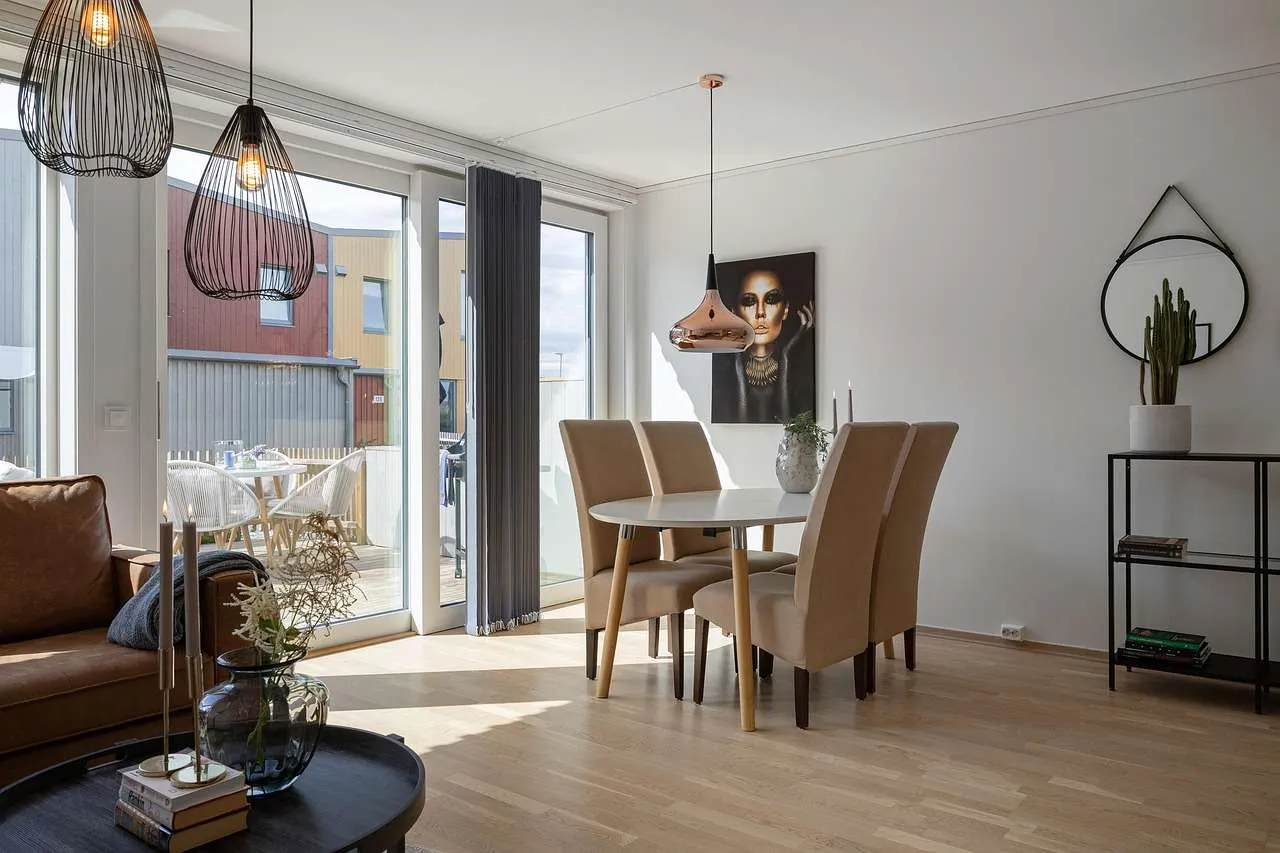
Home window tinting can transform a house by reducing heat, protecting against UV, and enhancing privacy. This guide covers how tinting works, available film types, considerations for homeowners, and how to choose a qualified installer.
What is home window tinting?
A window film is applied to interior glass to reduce solar heat, UV exposure and glare while preserving the view. Films are thin polyester layers with coatings designed to control light and heat.
How window tinting works
Films reject infrared heat and UV and can reflect or absorb energy. Ceramic and metalized varieties offer higher performance while maintaining decent visibility. The goal is to lower heat gain while keeping daylight and view intact.
Benefits for homes
- Improved comfort by reducing hot spots near windows
- Lower cooling costs through heat rejection
- UV protection that helps prevent furniture fading
- Enhanced privacy during daytime hours with minimal glare
- Better interior lighting control and reduced glare on screens
- Added safety if film holds glass in place during breakage
Types of window tint films
Dyed film
Low cost option that adds color to glass. It offers modest heat reduction and can fade over time. Best for budget projects where appearance matters more than performance.
Metalized film
Contains metal particles that reflect heat. Excellent for heat control and durability but may interfere with signals from devices and can create a mirrored look at certain angles.
Ceramic film
High performance and non metallic. It provides strong UV rejection, minimal signal interference, and preserves color and clarity, albeit at a higher price.
Dual reflective film
Coated on both sides to boost daytime privacy with glare control. Nighttime visibility can be affected and some people perceive it as more reflective.
Factors to consider
- Visible light transmission and final look
- UV rejection level to protect interiors
- Heat reduction potential and energy savings
- Signal interference with sensors or devices
- Warranty terms and installation quality
- HOA rules and local laws regarding tint darkness
DIY vs professional installation
While some homeowners attempt DIY tinting, professional installation is recommended for even film application, edge sealing and warranty coverage. Professionals bring proper tools, safety measures, and ensures performance specifications such as VLT and UV rejection meet standards.
Choosing a window tinting service
Look for qualified installers with clear warranties, proof of training, and documented performance data. Ask about the tint type options, sun exposure needs, and whether the installer offers a pre tinting assessment or window calibration for accurate results.
Cost and maintenance
Costs vary by film type, window size, number of panes and labor. Typical ranges include budget dyed films as the least expensive option, and ceramic films as premium investments. Maintenance is simple with a gentle cleaning routine; avoid abrasive cleaners that can scratch film. Regular inspections help catch edge peeling or bubbling early, and addressing warranty requirements.
Comparison of tint types
| Tint type | Best use | Pros | Cons | Typical price per window |
|---|---|---|---|---|
| Dyed | Budget projects | Low cost; decent privacy | Can fade; moderate heat control | 80 to 150 |
| Metalized | Heat reduction with durability | Excellent heat rejection; strong durability | Possible signal interference; may look darker | 100 to 200 |
| Ceramic | High performance homes | Strong UV rejection; preserves clarity; no signal interference | Highest cost | 150 to 300 |
| Dual reflective | Privacy during day, glare control | Good privacy and glare control | Can be reflective at night; privacy varies | 120 to 250 |
When planning any upgrade, request a written quote that includes the film type, shade, UV rejection percentage, heat reduction value, and warranty terms. A reputable installer will explain how film choices align with your climate, home orientation and energy goals.
Conclusion, selecting the right window tinting involves assessing heat gain, UV protection, privacy needs, and choosing a reputable installer to ensure warranty and performance.