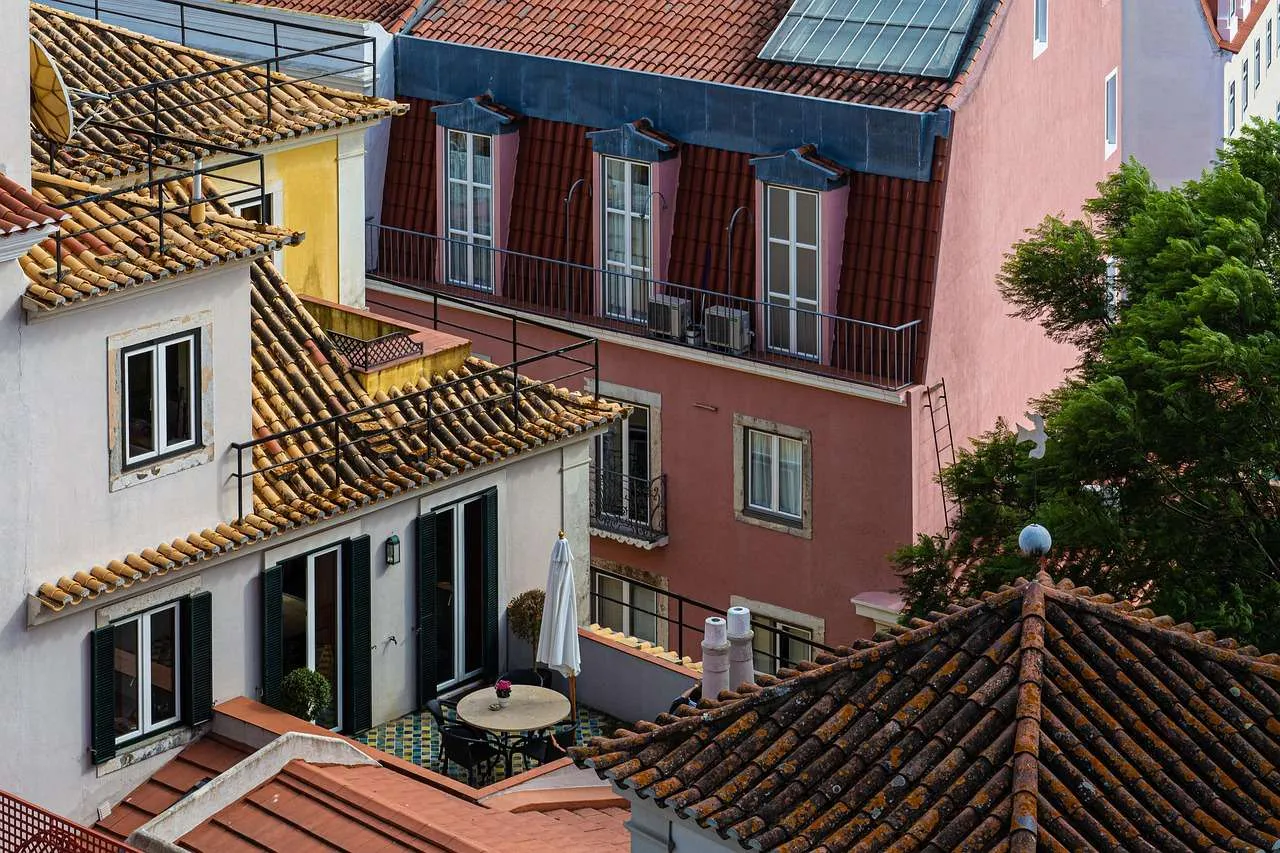
What is TPO Roofing?
TPO stands for thermoplastic polyolefin, a commonly used single-ply membrane for flat and low-slope roofs. It is usually reinforced with fiberglass or polyester to increase strength and comes in white or light colors that reflect sunlight. Seams are heated and welded, producing a watertight seal that is durable in various weather conditions.
Why builders choose TPO
Reflectivity reduces heat buildup and can lower cooling costs. The membrane is lightweight, adaptable to a range of substrates, and relatively fast to install. Modern TPO formulations offer improved flexibility and UV resistance, and many manufacturers provide warranties when installations are performed by approved contractors.
Key benefits
- Energy efficiency through high reflectivity
- Durability and resistance to ponding water
- Cost-effectiveness compared with some other single-ply options
- Repairability with heat-welded seams
- Wide color choices and compatibility with insulation systems
Installation considerations
To achieve reliable performance, work should be done by licensed roofers experienced with TPO. The substrate must be clean and dry, and flashing at edges, penetrations, and terminations requires precision. Insulation and ventilation play a role in thermal performance. Warranties typically range from 15 to 30 years, but coverage varies by manufacturer and installer.
Maintenance and inspection
Inspect the roof at least twice a year and after major storms for signs of seam separation, punctures, or flashing leaks. Keep drainage paths clear, remove debris, and patch minor issues promptly to prevent larger problems. Routine cleaning helps preserve reflectivity and longevity.
Cost and lifecycle
Costs vary with roof size, complexity, location, and labor rates. In many markets TPO is less expensive to install than PVC and may be more economical upfront than liquid-applied systems. With proper maintenance, a TPO roof commonly lasts 15 to 30 years, with longer lifespans possible under favorable conditions.
Choosing a contractor and warranty considerations
Prioritize installers who are licensed, insured, and experienced with TPO. Request references, review past projects, and confirm that the installation follows the membrane manufacturer’s guidelines. Look for warranties that cover material defects and workmanship, and confirm whether the warranty is backed directly by the manufacturer or through the installer.
TPO vs Alternatives
To compare options for flat or low-slope roofs, review the table below.
| Material | Longevity | Cost | Energy Efficiency | Installation | Pros | Cons |
|---|---|---|---|---|---|---|
| TPO | 15-30 years | Moderate | High reflectivity | Fast, heat-welded seams | Lightweight; repairable; good warranty options | Flashing and seam details require care |
| EPDM | 20-30+ years | Low to moderate | Low to moderate reflectivity (black is common) | Seams with adhesive or tape | Durable; often cheapest option | Lower reflectivity unless white variants used |
| PVC | 25-35 years | Higher | Very high reflectivity | Heat-welded seams | Excellent chemical resistance | Higher upfront cost |
Maintenance tips and best practices
Work with manufacturers to ensure compatibility of adhesives and fasteners. Schedule periodic inspections, especially after storms, and address any signs of wear promptly. Keep drainage paths clear, trim back overhanging branches, and perform simple cleaning to maintain reflectivity and longevity.
Frequently asked questions about tpo roofing
Is TPO suitable for all climates? In general, yes, but performance depends on color, thickness, and formulation. Is DIY installation recommended? No, because welding seams requires specialized equipment and could void warranties. What warranties should you expect? Typical programs range from 15 to 30 years for both materials and workmanship, with exact terms varying by manufacturer and installer.
Conclusion, TPO roofing offers a balanced combination of energy efficiency, durability, and cost-effectiveness for flat and low-slope roofs when installed by qualified professionals. Regular maintenance, proper flashing, and choosing an authorized installer help maximize performance and warranty protection.