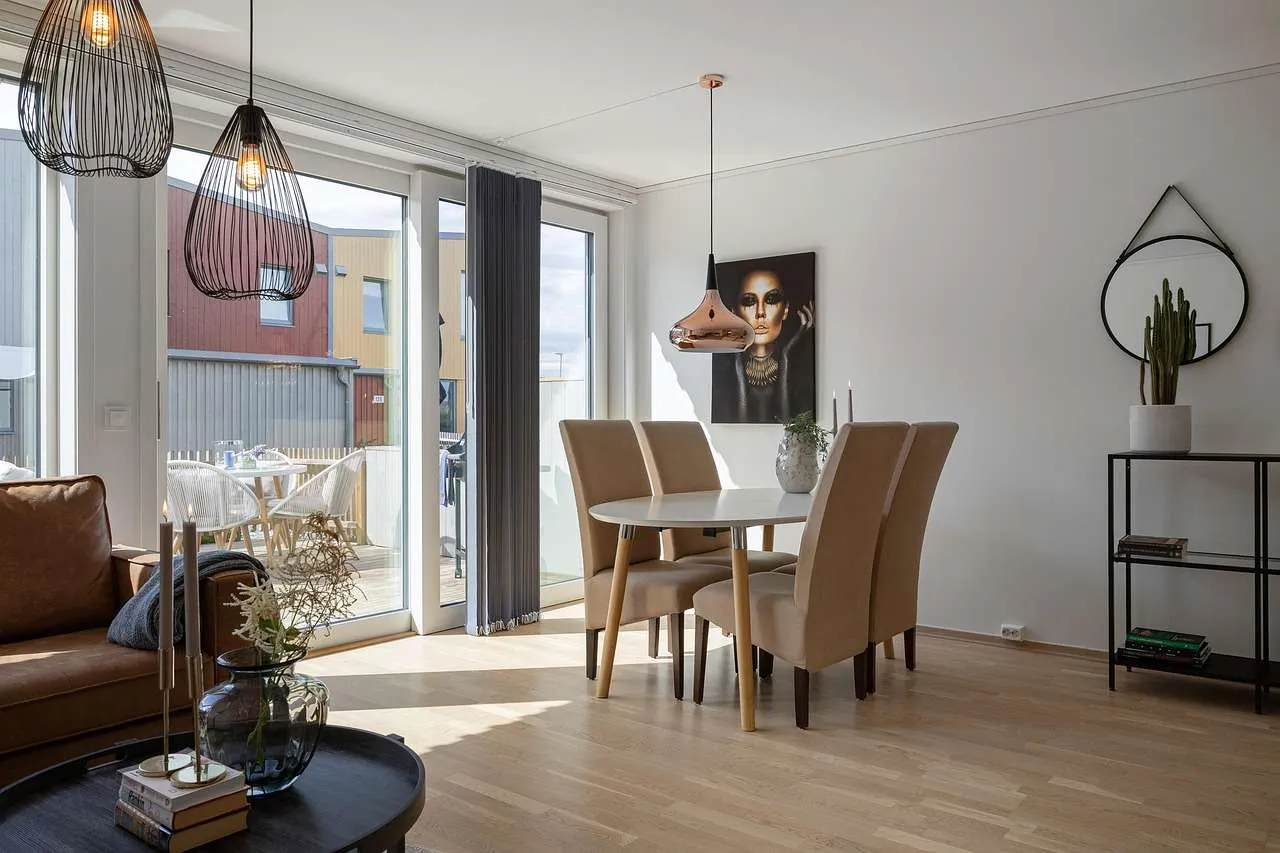
Locating the right service for home window tinting near me is more than a search—it's about comfort, energy savings, and safer living spaces. This guide helps homeowners find reputable local installers, understand film options, and evaluate quotes.
What is home window tinting?
Window film applied to interior glass blocks UV rays, reduces heat, and adds privacy without sacrificing natural light. Modern films come in varied shades, finishes, and performance metrics.
Why search for and choose a provider near you?
Choosing locally-based tinting services offers advantages: faster service, on-site assessments, local warranties, and easier follow-up for maintenance or replacements.
Benefits of residential window tinting
- UV protection that helps prevent fading of furnishings
- Significant heat reduction for a cooler home in hot months
- Glare control for comfortable interiors
- Enhanced privacy without heavy drapes
- Added safety with shatter-resistance films and second-skin protection
- Improved curb appeal and potential energy savings
How to pick a home window tinting near me service
- Verify licenses, certifications, and warranty terms from the installer
- Read customer reviews and request before/after photos and references
- Ask about film types, warranty length, and heat-rejection ratings (SHGC/VLT)
- Request a no-cost, in-home assessment and a written estimate
Types of window film
Common residential films include dyed, metalized, ceramic, and carbon. Dyed films are affordable but may fade; metalized films can interfere with signals; ceramic and carbon films offer strong UV rejection with excellent clarity and minimal reflectivity. Safety films add extra shatter resistance.
Costs and timeline
Installation time depends on window count, film type, and preparation. Typical ranges to plan for are outlined in the tables below.
| Film Type | UV Rejection | Heat Reduction | Visibility | Pros | Cons |
|---|---|---|---|---|---|
| Dyed | Good | Moderate | Clear to lightly tinted | Low cost, faster install | Prone to fading over time |
| Metalized | High | High | Potential glare | Excellent heat control | Could affect electronics |
| Ceramic | Very high | Excellent | High clarity | Durable, non-reflective | Higher upfront cost |
| Carbon | Very high | Excellent | Natural look | Strong UV block, good aesthetics | Pricier |
| Film Type | Installed Cost (per sq ft) | Longevity | Maintenance |
|---|---|---|---|
| Dyed | $2–$4 | 5–8 years | Low maintenance |
| Metalized | $3–$6 | 7–12 years | Wipe with mild cleaner |
| Ceramic | $5–$8 | 10–15 years | Easy to maintain |
| Carbon | $6–$9 | 12–15 years | See-through, durable |
Installation process and maintenance
A typical project begins with an in-home measurement, followed by film selection and scheduling. Installers clean windows, apply film with precision, and trim edges. A curing period ensures proper adhesion. To maintain appearance and performance, clean with non-ammonia cleaners and a soft cloth, avoiding abrasive tools.
Legal and safety considerations
Check local regulations on permissible tint darkness for residential windows, especially on street-facing panes. Reputable installers comply with laws and provide certification of film compliance for home and insurance requirements.
Conclusion
Choosing a trusted, local provider for home window tinting near me combines convenience with quality materials, clear warranties, and professional installation. By understanding film types, comparing quotes, and verifying credentials, homeowners can enjoy UV protection, energy savings, and enhanced comfort for years.
Summary: Local experts, transparent pricing, and properly selected film deliver durable comfort, better views, and protection for your home; prioritize certifications, warranties, and in-home assessments when searching for home window tinting near me.